Plugged In and Productive: A Remote Worker's Complete Connectivity Guide to BCD and Negros Occidental

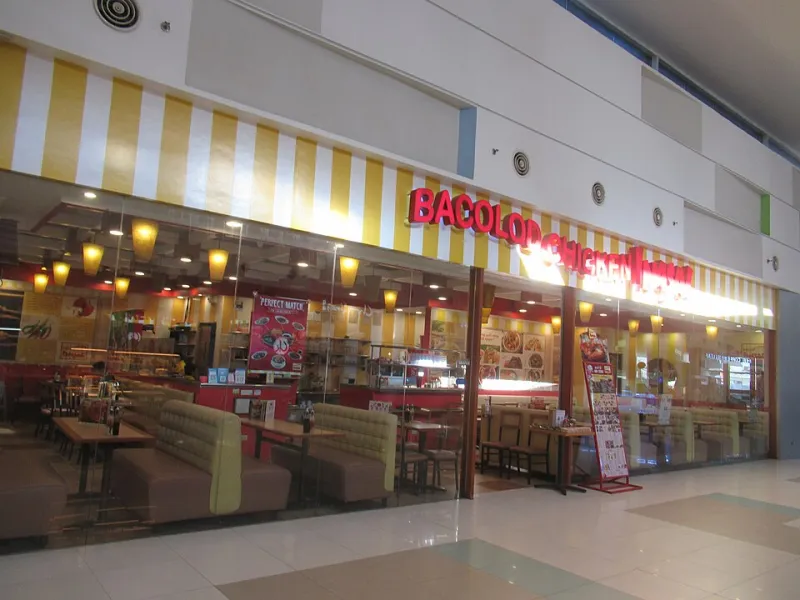
Photo: Flcikr user: perzon seo, CC BY 2.0, via Wikimedia Commons
For the growing number of Americans choosing to work remotely from Southeast Asia, the Philippines has emerged as a compelling destination — and Bacolod-Silay Airport (BCD) is increasingly the front door to one of its most promising hubs. Negros Occidental offers a lower cost of living than Manila or Cebu, a walkable city center, and a culture that is genuinely welcoming to foreign visitors. But before you commit to a one-way ticket and a coworking membership, there are practical questions worth answering: What is the internet situation like at the airport itself? Can you stay productive during a layover or a delayed connection? And once you leave BCD, what does the broader digital infrastructure look like?
This guide addresses all of those questions directly.
WiFi at Bacolod-Silay Airport: What to Expect
Bacolod-Silay Airport offers complimentary WiFi throughout the terminal. Speeds are generally sufficient for email, messaging, and light browsing, though travelers should not expect the kind of bandwidth required for large file uploads or uninterrupted video conferencing. During peak travel periods — particularly around holidays and festival weekends — network congestion can reduce performance noticeably.
If your work depends on a stable, fast connection while you wait for your flight, the most reliable approach is to use your own mobile data rather than relying solely on the airport network. Philippine mobile carriers provide strong coverage in the Bacolod-Silay area, and purchasing a local SIM card before or immediately after arrival is strongly recommended for any traveler planning an extended stay.
Charging Stations and Power Access Inside the Terminal
Power outlets are available in the terminal's waiting areas, though their placement is not as systematic as what travelers might find at major international airports in the United States. USB charging ports are present in select seating zones, but availability can be inconsistent depending on which section of the terminal you are occupying.
A few practical recommendations for digital nomads transiting through BCD:
- Carry a portable power bank. This is non-negotiable. A high-capacity unit — 20,000mAh or above — will keep your laptop and phone functional throughout a long travel day without depending on airport infrastructure.
- Bring a universal travel adapter. The Philippines uses Type A and Type B outlets (the same flat-pin configurations common in the US), so American travelers will generally find their plugs compatible. However, voltage is 220V, so confirm that your devices are dual-voltage before plugging in.
- Arrive with devices fully charged. If you have a connection through Manila's Ninoy Aquino International Airport or Mactan-Cebu International Airport, use those larger facilities to top off your battery before the onward leg to BCD.
Getting a Local SIM Card Near the Airport
For remote workers, securing local mobile data is the single most impactful connectivity step you can take upon arrival. The two dominant carriers in the Philippines are Globe Telecom and DITO Telecommunity, both of which offer prepaid SIM cards with affordable data packages.
SIM cards and load (prepaid credit) are available at convenience stores and small retail shops in and around Bacolod City. Globe and Smart (PLDT's mobile brand) both maintain retail presence in SM City Bacolod and Robinsons Place Bacolod, two major malls within reasonable distance of the airport. Travelers heading directly into the city can typically sort out their mobile connectivity within an hour of landing.
For heavier data users, consider a postpaid or tourist SIM option that includes higher monthly data caps and the ability to use your phone as a mobile hotspot — a useful backup for days when your coworking space experiences outages.
Coworking Spaces in Bacolod City
Bacolod's coworking ecosystem has expanded meaningfully over the past several years, driven in part by the same remote-work migration that has brought American professionals to cities across Southeast Asia. While the scene is not as dense as what you would find in Manila or Cebu, there are several reliable options worth considering.
Established coworking venues in Bacolod City typically offer day passes, weekly rates, and monthly memberships. Amenities generally include high-speed fiber internet, dedicated desks, private meeting rooms, and air conditioning — a non-trivial consideration given the tropical climate. Several spaces also provide printing services and ergonomic workstations, which matter more than they might seem after a long-haul flight from the United States.
When evaluating a coworking space in Bacolod, ask specifically about their backup power situation. The city, like much of the Philippines, occasionally experiences brief power interruptions. Reputable coworking operations maintain UPS (uninterruptible power supply) systems and generator backup to minimize disruption.
Home and Apartment Internet for Longer Stays
Digital nomads planning to stay in Negros Occidental for a month or more will want to look beyond coworking spaces and investigate residential internet options. Fiber internet service is available in Bacolod City through providers including Converge ICT and Globe Fiber. Installation timelines and availability vary by neighborhood, so this is worth researching before committing to a specific apartment or guesthouse.
Many furnished apartments and serviced accommodations in Bacolod now advertise high-speed WiFi as a standard amenity, recognizing that remote workers represent a growing segment of their tenant base. When booking, request specific speed information rather than accepting general descriptions like "fast WiFi" at face value.
Planning Your Arrival for Minimal Downtime
For remote workers on tight deadlines, the transition from BCD to a productive work environment can be accomplished in a few hours with the right preparation. A reasonable arrival-day workflow might look like this: clear immigration and collect luggage, purchase a local SIM at the airport or at your first stop in the city, check into your accommodation, and confirm your internet connection is functioning before settling in. If your accommodation's connection is unsatisfactory, identify the nearest coworking space as a fallback.
Bacolod-Silay Airport's relatively compact terminal means you will not spend excessive time navigating the facility itself. Ground transportation into the city — whether by taxi, ride-hailing app, or arranged transfer — is straightforward, and the drive to central Bacolod typically takes between 20 and 40 minutes depending on traffic.
The Bigger Picture: Why Negros Occidental Works for Remote Workers
Connectivity infrastructure is only one part of the equation. Negros Occidental's appeal to remote workers also stems from its time zone alignment with parts of Asia that are increasingly important for US-based companies with international operations, its relatively low cost of living compared to Philippine metro areas, and a local food and culture scene — centered on the famous chicken inasal and the creative energy surrounding events like MassKara Festival — that makes daily life genuinely enjoyable.
Bacolod-Silay Airport is your entry point into all of that. Arriving prepared — with a charged power bank, a plan for a local SIM, and a shortlist of coworking options — means you can transition from traveler to productive professional without losing a full day to logistics.