Eat Smart, Fly Better: A US Traveler's Food Guide to Dining Around Bacolod-Silay Airport
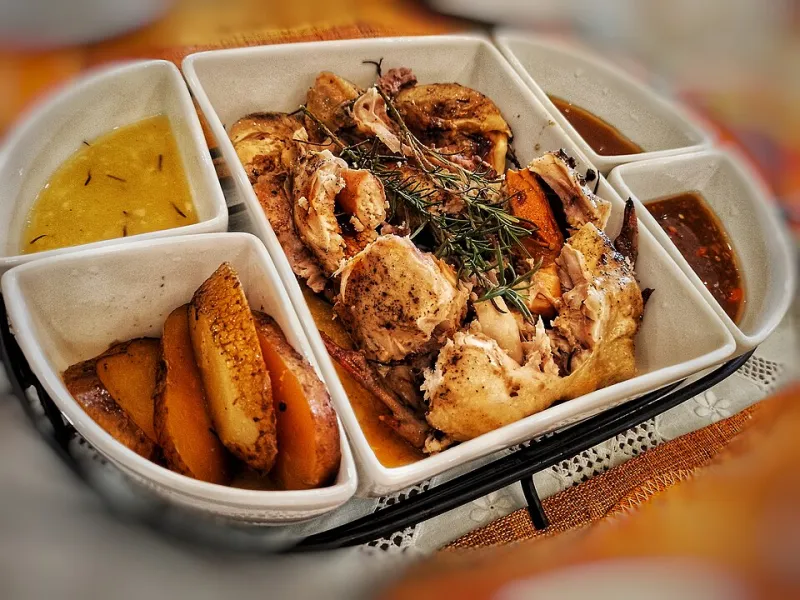
Photo: Roderick Suñaz Sumalinog, CC BY-SA 4.0, via Wikimedia Commons
Long-haul travel from the United States to the Philippines is no small undertaking. By the time most American passengers clear customs and collect their bags at Bacolod-Silay Airport (BCD), they have typically been in transit for anywhere between 20 and 30 hours. What you eat—and when you eat it—during that journey matters far more than most travelers realize. Poor food choices before boarding or immediately after landing can amplify jet lag, disrupt digestion, and turn the first day of your Negros Occidental trip into an uncomfortable recovery session.
This guide is designed to help US travelers make informed, practical decisions about food at every stage of the BCD experience: inside the terminal, in the immediate vicinity of the airport, and in Bacolod City itself once you've had a chance to settle in.
What to Expect Inside BCD's Terminal
Bacolod-Silay Airport is a mid-sized regional hub, and its food and beverage offerings reflect that scale. Do not arrive expecting the sprawling dining concourses of LAX or O'Hare. The terminal has a modest selection of snack counters, convenience-style food stalls, and at least one sit-down café option, depending on the time of day and current concession arrangements.
For pre-departure meals, the most reliable choices are simple, lightly seasoned Filipino staples—steamed rice dishes, pan de sal (a soft local bread roll), and bottled beverages. These are easy on the stomach and won't leave you bloated mid-flight. Avoid heavy fried items or overly spiced dishes immediately before boarding; your digestive system will thank you at cruising altitude.
If you are arriving at BCD after a long international connection, resist the urge to eat a large meal the moment you land. Your gut is still operating on US time, and a heavy Philippine feast at what your body perceives as 3 a.m. can worsen the disorientation that comes with crossing a 12- to 13-hour time difference.
Pre-Flight Strategy: What to Eat Before You Leave the US
The meal you consume in the hours before your first departure from the United States sets the tone for your entire journey. Nutritionists who specialize in long-haul travel consistently recommend high-protein, moderate-carbohydrate meals in the 24 hours before a major flight. Think grilled chicken, eggs, legumes, and whole grains rather than fast food or airport terminal pizza.
Stay well hydrated before you board. Cabin air is notoriously dry, and arriving in the Philippines already dehydrated compounds fatigue significantly. Aim to drink at least 16 ounces of water for every two hours you spend in the air, and limit alcohol and caffeine during the flight itself.
If your routing takes you through Manila's Ninoy Aquino International Airport or Cebu's Mactan-Cebu International Airport before connecting to BCD, use the layover wisely. Eat something light—fresh fruit, a small rice meal, or soup—rather than loading up at an airport restaurant out of boredom or stress.
Arriving Hungry: Post-Landing Meal Recommendations Near BCD
The airport sits in Silay City, approximately 14 kilometers from central Bacolod. The drive into the city takes roughly 20 to 40 minutes depending on traffic, and there are several dining options along the route and in the city center worth knowing about.
For your first proper post-arrival meal, consider something warm, broth-based, and easy to digest. Kansi, a Negrense beef shank and green jackfruit soup with a sour, tamarind-like depth, is an excellent choice. It is deeply nourishing without being heavy, and the warm liquid helps rehydrate the body after hours of cabin air exposure.
If you arrive during breakfast hours, look for a local turo-turo (point-point) eatery serving lugaw or goto—Filipino rice porridges similar in concept to congee—alongside fresh fruit and hot coffee. These dishes are gentle on a stomach that has been running on airline food for the better part of a day.
Chicken Inasal and the Case for Eating Local Early
Negros Occidental is the birthplace of chicken inasal, the smoky, citrus-marinated, fire-grilled chicken that has become one of the Philippines' most celebrated dishes. While the Jollibee chain has helped popularize a commercial version of it nationwide, the real article is found at Bacolod's many dedicated inasal restaurants, some of which have been operating for decades.
For US travelers adjusting to Philippine time, inasal offers a nutritionally sound option: lean protein from the chicken, energy from the accompanying garlic rice, and electrolytes from the traditional sinamak vinegar dipping sauce. Protein-rich meals eaten at the local lunch or dinner hour help reset your circadian rhythm more effectively than reaching for snacks at odd hours.
Most reputable inasal restaurants in Bacolod maintain strong hygiene standards and high table turnover, making them a lower-risk choice for travelers whose digestive systems are still calibrating.
Street Food: Worth the Risk or Better to Wait?
Bacolod's street food culture is vibrant and genuinely delicious, but it warrants a measured approach for first-time visitors arriving from the United States. Your gut microbiome has not yet adapted to local bacteria, and even mildly different food preparation standards can cause temporary digestive upset.
During your first 48 hours, apply a simple rule: eat street food only from stalls with visible, active cooking and high customer volume. Freshly grilled items—skewered pork, fish balls cooked to order, corn on the cob—carry considerably less risk than pre-prepared items sitting at room temperature. Avoid raw vegetables and ice from street vendors until your system has had a few days to adjust.
Kakanin—traditional Filipino rice cakes made from glutinous rice, coconut milk, and sugar—are widely available from street vendors and are generally safe, as the cooking process involves sustained heat. They also serve as an excellent energy source when you need a light snack without committing to a full meal.
Hydration: The Single Most Important Factor
The Philippines is a tropical country, and Negros Occidental is no exception. Heat and humidity will accelerate dehydration in ways that US travelers, particularly those from cooler or drier climates, may not anticipate. Drink bottled water consistently throughout your first few days—not just when you feel thirsty. Locally available brands such as Wilkins and Absolute are widely sold and reliably safe.
Coconut water, available fresh from vendors throughout Bacolod and the surrounding province, is an outstanding natural electrolyte source and one of the most practical hydration tools available to arriving travelers. It is also inexpensive, widely available, and genuinely enjoyable.
Avoid tap water entirely for drinking purposes during your visit, and be cautious with ice in smaller, non-hotel establishments.
The Bottom Line
Eating well around Bacolod-Silay Airport is less about finding gourmet options and more about making strategic choices that support your body during a demanding transition. Prioritize hydration, lean toward warm and simply prepared local dishes in the first 24 hours, and allow yourself to ease into the extraordinary culinary culture of Negros Occidental rather than diving in headfirst on an exhausted stomach. The flavors here are worth savoring—and you will appreciate them far more once you have had a good night's sleep.