Every Fee, Charge, and Surcharge Explained: A US Traveler's Budget Guide to Flying Through BCD
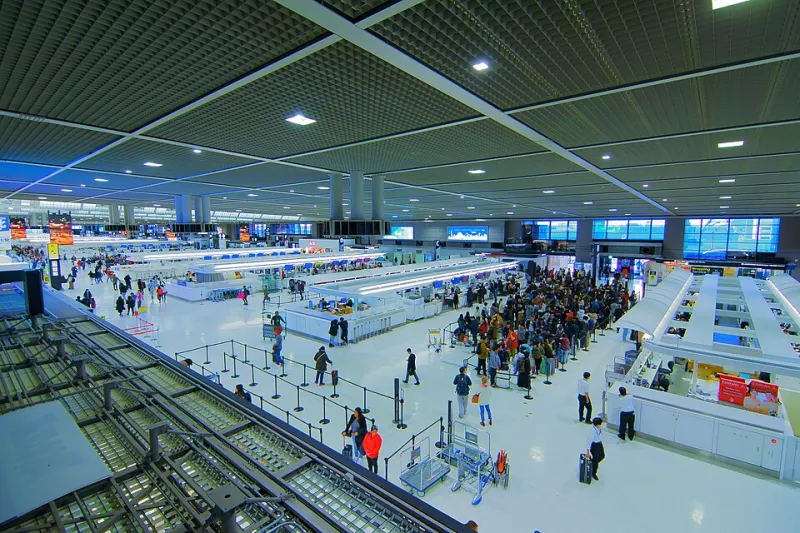
Photo: Nanashinodensyaku, CC BY-SA 4.0, via Wikimedia Commons
For many Americans planning a trip to Negros Occidental, the headline airfare is only part of the story. Once you factor in terminal fees, departure taxes, checked baggage costs, and the occasional fuel surcharge, the true cost of flying through Bacolod-Silay Airport (BCD) can look quite different from what you first saw on a booking platform. The good news is that none of these charges are hidden in any sinister sense — they are simply unfamiliar to travelers who have never navigated a smaller regional airport in the Philippines before. Understanding them in advance is the single most effective way to protect your travel budget.
Why Regional Airport Fees Catch US Travelers Off Guard
Most Americans book international travel through aggregator sites like Google Flights, Kayak, or Expat Explore, where the displayed fare often excludes locally imposed charges that are collected at the airport itself rather than at the point of sale. Major hub airports in the US typically bundle these costs into the ticket price, which is why travelers rarely think about them. At a regional facility like BCD, however, certain fees are assessed separately — sometimes in Philippine pesos at the terminal — and first-time visitors frequently arrive unprepared.
This is not a flaw unique to Bacolod-Silay. It is a characteristic of how aviation infrastructure and taxation work throughout Southeast Asia. Once you understand the framework, budgeting becomes straightforward.
Terminal Fees: What They Are and When You Pay Them
The Philippines charges a terminal fee on passengers departing from domestic and international airports. At Bacolod-Silay Airport, this fee applies to both domestic and international departures, though the amounts differ.
For domestic departures, the terminal fee is typically in the range of PHP 100 to PHP 200, depending on current regulations set by the Civil Aeronautics Board (CAB) and the airport authority. For international departures, the fee is higher and is usually incorporated into your airline ticket as part of the total fare breakdown — though you should verify this with your carrier at the time of booking.
In practical terms: if you are connecting through Manila or Cebu before reaching Bacolod, your domestic leg from those hubs to BCD will likely carry its own terminal fee. Always check whether this has been included in your ticket or whether you will need to pay it separately at the departure gate.
Departure Taxes and Government-Imposed Levies
The Philippines imposes a travel tax on international departing passengers, and this is one charge that surprises many US travelers. The full travel tax rate for economy passengers is PHP 1,620, while a reduced rate of PHP 810 applies in specific circumstances (such as for certain overseas Filipino workers). For business class, the full rate is PHP 2,700.
This tax is generally collected by your airline and included in the total fare when you book through a major carrier. However, if you book through a third-party platform or a low-cost carrier operating on a stripped-down fare structure, it is worth confirming whether the travel tax has been factored in. Arriving at the airport to discover a PHP 1,620 charge you did not anticipate — roughly $28 to $30 USD at current exchange rates — is an avoidable inconvenience.
Domestic routes within the Philippines are not subject to the international travel tax, but they do carry the terminal fees described above.
Checked Baggage: The Most Variable Cost in Your Budget
For US travelers accustomed to legacy carriers that include at least one checked bag, the baggage policies of Philippine low-cost carriers can come as a shock. Airlines such as Cebu Pacific and AirAsia, which operate routes connecting to BCD, typically sell tickets on a base fare that includes zero checked baggage allowance. Every kilogram you check must be purchased separately, either at the time of booking (at a lower rate) or at the airport counter (at a significantly higher rate).
Cebu Pacific, for example, charges baggage fees on a per-kilogram or per-bundle basis, and the airport counter rate can be two to three times more expensive than the pre-purchase rate. If you are traveling with a full suitcase — as most US visitors do — this is not a cost you can afford to ignore.
Practical guidance:
- Purchase your baggage allowance when you book your ticket, not at check-in.
- Weigh your bags at home before departing the US to avoid overage fees.
- Consider distributing weight across carry-on and checked luggage to stay within limits.
- Philippine carriers generally allow 7 kg of carry-on baggage, which is stricter than many US carriers.
Fuel Surcharges and Carrier-Imposed Fees
Fuel surcharges are assessed by airlines — not airports — and they fluctuate based on global oil prices. On routes connecting Bacolod-Silay to Manila or Cebu, these surcharges are usually modest compared to long-haul international routes, but they still add to the total cost. When comparing fares across booking platforms, always click through to the full fare breakdown to see exactly what surcharges are included. A fare that appears $10 cheaper on one platform may simply be displaying the base price before carrier-imposed fees are added.
Foreign Transaction Fees: The Invisible Cost
This one has nothing to do with the airport itself, but it affects nearly every US traveler who does not plan ahead. If you pay for airport services, transportation, or last-minute fees using a US credit or debit card without foreign transaction fee protection, your bank may charge an additional 1% to 3% on every transaction. Over the course of a trip that involves multiple legs and airport payments, this adds up.
Consider applying for a travel credit card — such as the Chase Sapphire Preferred or the Capital One Venture — before your trip. Both waive foreign transaction fees and offer travel-related rewards that can offset some of your overall costs.
Building a Realistic Airport Fee Budget
As a rough guide for a US traveler flying a round trip through BCD on a low-cost carrier with one checked bag:
- International travel tax (each direction): ~$28–$30 USD
- Domestic terminal fees (if applicable): ~$2–$4 USD per leg
- Checked baggage (pre-purchased, 20 kg): ~$15–$35 USD per sector depending on carrier and route
- Fuel surcharges: variable, typically $5–$20 USD on domestic Philippine legs
None of these figures are large on their own, but together they can add $100 to $200 USD or more to a round-trip itinerary that appeared far cheaper at first glance. Building this buffer into your travel budget from the outset eliminates the stress of unexpected charges and lets you focus on what Negros Occidental does best: delivering an exceptional experience at a genuinely reasonable cost.
The Bottom Line
Bacolod-Silay Airport is not trying to catch you out. The fee structure here reflects standard Philippine aviation practice, and once you know what to look for, budgeting accurately is entirely within reach. Read your fare breakdown carefully, purchase baggage allowances early, and carry a small amount of Philippine pesos for any terminal fees that must be paid in cash. Do those three things, and the financial side of your BCD journey will be the least of your concerns.