Cane Rails and Runways: The Sugar Empire That Decided Where Bacolod-Silay Airport Would Stand
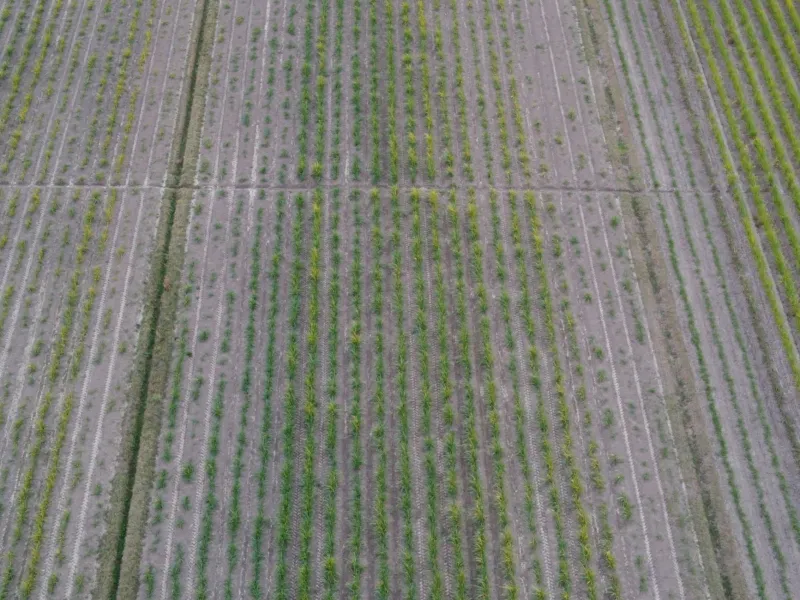
Most American travelers touching down at Bacolod-Silay Airport (BCD) see only what is in front of them: a clean, mid-sized terminal ringed by flat green fields, fifteen minutes from Bacolod City. What they cannot see from the arrival gate is that this landscape was engineered — not for aviation, but for sugar.
The story of why BCD sits where it sits begins more than a century before the first jet landed in Negros Occidental.
An Island Built on Cane
By the mid-1800s, Negros had transformed from a sleepy backwater into the sugar bowl of the Philippines. Wealthy families — the so-called hacenderos — carved vast plantations, or haciendas, out of the western plains of the island. Their fortunes flowed through the port at Bacolod and the neighboring town of Silay, which became the cultural capital of the sugar elite.
That wealth left a physical signature that is still visible from your airplane window. The land around the airport is remarkably flat, level, and free of tall obstructions — not because planners got lucky, but because generations of planters cleared and leveled it for cane. Large-scale agriculture demands open, contiguous fields, and it demands infrastructure to move the harvest.
The Railroads That Preceded the Runway
Here is the detail that surprises history-minded visitors: long before BCD existed, Negros Occidental had its own railway network. The Bacolod Murcia Milling Company and later the Philippine Railway Corporation ran lines threading the sugar districts to the ports, hauling cane and centrifugal sugar to waiting ships.
Those rail corridors, along with the farm-to-mill roads built to serve the haciendas, established a transportation spine across the province. When aviation arrived, the region already had decades of experience organizing its landscape around the efficient movement of goods. The modern highway that connects the airport to Bacolod and Silay follows logic the sugar barons would recognize instantly: straight, flat, and direct.
Why the Location Works So Well Today
Airport siting is a compromise between distance to the city, available land, terrain, and weather. Negros Occidental's sugar belt solves nearly every one of those problems at once.
The new Bacolod-Silay Airport, which opened in 2008 to replace the cramped Bacolod City domestic field, was built on the former sugar lands of Silay precisely because the terrain offered long, unobstructed approaches and room to expand. There are no mountain ranges forcing tricky descents, no dense urban sprawl constraining the runway. The same qualities that made the land ideal for cane — flatness, drainage, open sightlines — make it ideal for a modern jet runway.
That is the quiet irony of BCD's design. The terminal feels contemporary and unconstrained because it was never forced to squeeze into a city. It inherited a landscape that had already been rationalized for industry a century earlier.
Silay: Where the Money Lived
If the plantations were the engine of the sugar economy, Silay City was its drawing room. The town's sugar merchants poured their profits into grand ancestral homes, many of which still stand within a fifteen-minute drive of the runway. The architecture — a blend of Filipino, Spanish, and American colonial influences — was funded by the same crop that flattened the fields outside your window.
Travelers with a few hours to spare can visit landmarks like the Balay Negrense museum or the restored mansions along Silay's heritage streets and see, in miniature, the whole economic story of the region. It is one of the rare cases where an airport's most interesting cultural attraction is practically next door.
Reading the Landscape on Approach
On your next descent into BCD, look down. The geometric patterns of the cane fields, the straight roads running to the horizon, and the occasional remnant of old mill infrastructure are all chapters of the same story. You are flying over an economy that took root in the 1850s and never entirely let go.
For US travelers accustomed to airports carved out of suburbs or desert, BCD offers something different: an airport that grew out of an agricultural empire. The sugar barons never imagined widebody jets, but their rail lines, roads, and leveled fields made the runway possible. History, in this corner of the Philippines, is not in a museum. It is the ground you land on.