Dollars, Pesos, and Smart Timing: How USD-to-PHP Exchange Rates Shape Your Bacolod-Silay Travel Budget
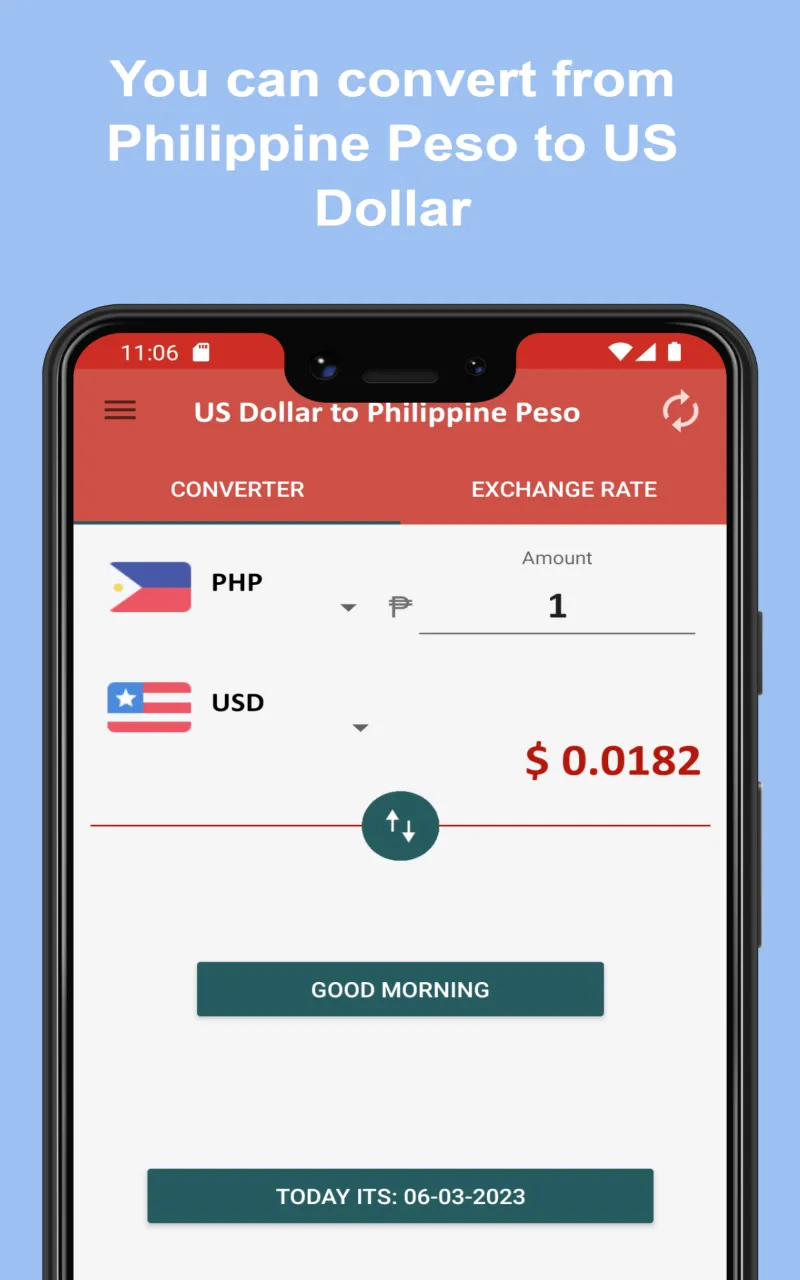
Photo: US dollar Philippine peso currency exchange travel budget, via m.media-amazon.com
For most American travelers planning a trip to Negros Occidental through Bacolod-Silay Airport, the excitement of booking flights and researching destinations tends to overshadow one of the most consequential financial decisions of the entire journey: when and how to convert US dollars into Philippine pesos. The USD-to-PHP exchange rate is not a fixed number. It moves — sometimes dramatically — and the difference between a favorable rate and an unfavorable one can add up to a meaningful sum across flights, accommodations, ground transport, and daily expenses.
This guide is designed to help US travelers think strategically about currency, timing, and the financial mechanics of a Bacolod-Silay trip.
Why the USD-PHP Rate Matters More Than You Might Expect
The Philippine peso has historically traded in a wide range against the US dollar. Over the past decade, the rate has fluctuated from roughly 44 pesos per dollar on the stronger end to over 58 pesos per dollar during periods of peso weakness. That spread is substantial. A traveler converting $2,000 USD at 44 PHP/USD receives 88,000 pesos. The same $2,000 at 58 PHP/USD yields 116,000 pesos — a difference of 28,000 pesos, which in Bacolod can cover several nights of comfortable accommodation, numerous restaurant meals, or multiple island day trips.
For travelers arriving at Bacolod-Silay Airport on a fixed budget, the exchange rate is effectively a hidden variable that can either stretch or compress the value of every dollar spent in Negros Occidental.
Historical Rate Patterns: What the Data Suggests
While no currency market is perfectly predictable, the USD-PHP exchange rate has shown some broad tendencies that US travelers can use as rough planning benchmarks.
The peso has generally weakened during periods of global economic uncertainty, rising US interest rates, or domestic Philippine fiscal pressure — all of which tend to benefit dollar-holding travelers. Conversely, when the Philippine economy is performing strongly or when the Bangko Sentral ng Pilipinas (the country's central bank) intervenes to support the peso, the dollar buys fewer pesos.
Seasonal patterns are less pronounced than in some other currency pairs, but there is a general tendency for travel-related spending in the Philippines to peak between November and February — the dry season that coincides with the country's most comfortable weather. During these months, demand for peso conversion among tourists naturally rises, though this alone does not drive significant rate movement.
The more actionable takeaway is this: monitoring the rate over a two-to-three-month window before your planned travel dates gives you a realistic sense of where the rate stands relative to recent history, allowing you to make an informed decision about when to convert.
When to Book Flights Versus When to Convert Currency
These are two distinct financial decisions, and conflating them is a common mistake.
Flight prices to the Philippines from the United States — whether routing through Manila, Cebu, or another gateway before connecting to Bacolod-Silay Airport — are denominated in US dollars. Exchange rates do not directly affect what you pay for your ticket. Flight booking timing follows its own logic, generally favoring purchases made six to twelve weeks in advance for international itineraries, though promotional fares occasionally appear outside that window.
Currency conversion, on the other hand, should be timed independently. Once you have confirmed your travel dates, begin tracking the USD-PHP rate through a reliable financial tool such as Google Finance, XE.com, or your bank's currency tracker. Set a rate alert at a level that represents a favorable threshold based on recent history. If the rate moves in your favor before your departure, convert a meaningful portion of your anticipated peso budget at that time.
However, avoid converting your entire travel budget weeks in advance. Rates can move further in your favor after you convert, and holding large amounts of foreign currency carries its own risks. A practical approach is to convert 60 to 70 percent of your estimated peso needs when you see a favorable rate, then convert the remainder closer to departure or upon arrival.
Where to Convert Currency for Your Bacolod-Silay Trip
Not all conversion points are created equal, and the margin between the best and worst options can meaningfully affect how many pesos you receive.
Avoid airport kiosks in the United States. Currency exchange counters at US airports typically offer the least favorable rates and highest fees of any conversion option. The convenience premium they charge is rarely worth it.
Consider your US bank before departure. Major US banks with international partnerships — including Charles Schwab, which reimburses foreign ATM fees — can be excellent options for accessing pesos at or near mid-market rates. Schwab's debit card in particular has a strong reputation among frequent international travelers for minimizing conversion costs.
Use ATMs in the Philippines. Withdrawing pesos from ATMs in Bacolod after your arrival at Bacolod-Silay Airport is often one of the most cost-effective approaches, provided your US bank offers favorable international transaction terms. ATMs from major Philippine banks such as BDO, BPI, and Metrobank are widely available in the city.
Accredited money changers in Bacolod. The city has a number of licensed money changers that offer competitive rates, sometimes better than bank counters. These are a legitimate option for travelers who prefer to carry cash, though it is advisable to verify licensing and compare rates before transacting.
Avoid dynamic currency conversion. When paying by card at hotels, restaurants, or shops in Negros Occidental, you may be offered the option to pay in US dollars rather than pesos. Decline this option. Dynamic currency conversion almost always applies an unfavorable rate, and you will receive better value by allowing your card to process the transaction in pesos.
Budgeting in Negros Occidental: What Your Dollars Can Realistically Buy
Once you have converted your currency at a favorable rate, understanding the local cost structure helps you allocate your pesos effectively.
Bacolod is widely regarded as one of the more affordable cities in the Philippines for comfortable travel. Mid-range hotels in the city center typically run between 2,500 and 5,000 pesos per night. A full meal at a well-regarded local restaurant — including Bacolod's famous chicken inasal — generally costs between 200 and 500 pesos per person. Ground transportation from Bacolod-Silay Airport to the city center via ride-hailing apps or metered taxis costs a fraction of what comparable distances would run in a US city.
Island excursions to destinations such as Danjugan Island or the Cuyo archipelago involve additional boat and guide fees, but even these remain accessible at favorable exchange rates.
A Practical Pre-Trip Currency Checklist
Before departing for Bacolod-Silay Airport, US travelers would benefit from working through the following steps:
- Notify your US bank and credit card providers of your travel dates and destination to prevent fraud blocks.
- Confirm your bank's international ATM and foreign transaction fee structure.
- Begin monitoring the USD-PHP rate at least six weeks before departure.
- Set a rate alert at a level that reflects a favorable conversion threshold based on recent history.
- Convert a portion of your peso budget when a favorable rate appears, retaining flexibility for the remainder.
- Decline dynamic currency conversion offers at all points of sale in the Philippines.
- Keep a modest amount of pesos in cash for small transactions, transport, and vendors who do not accept cards.
Final Thoughts
The exchange rate between the US dollar and the Philippine peso is one of the few travel cost variables that a well-prepared American traveler can genuinely influence through timing and strategy. Unlike airfare, which is subject to demand-driven pricing beyond a traveler's control, currency conversion offers a degree of agency. By monitoring rates, using cost-effective conversion channels, and understanding how the peso's value shapes the real cost of your time in Negros Occidental, you arrive at Bacolod-Silay Airport not just as a tourist, but as a financially prepared one.