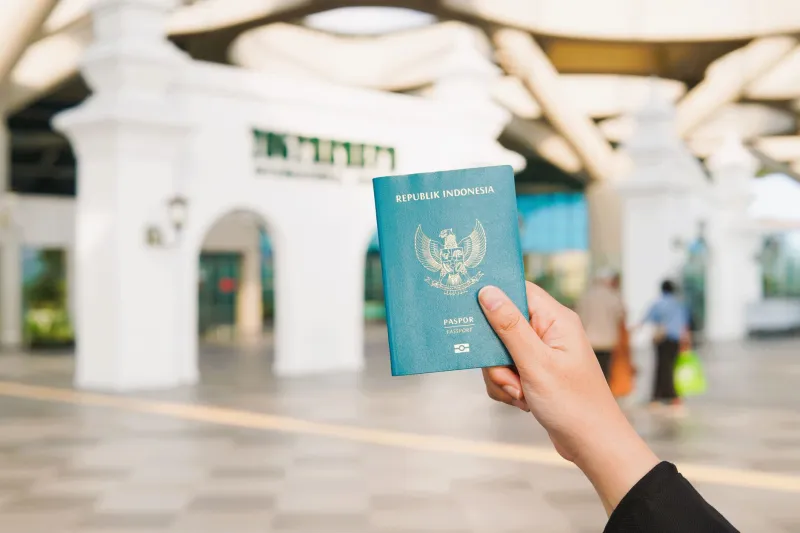
The Best Museum at BCD Has No Terminal: Why Silay's Ancestral Mansions Deserve Your Layover
Let me offer a small complaint about the way most Americans travel through Bacolod-Silay Airport: they leave too quickly.
I understand the instinct. BCD is usually a transit point — the gateway to beach resorts, business meetings, or family visits elsewhere in Negros and the wider Visayas. But the habit of treating the airport as a mere doorway has blinded travelers to something genuinely remarkable. Fifteen minutes up the road, in the city that shares the airport's name, stands one of the best-preserved collections of ancestral homes in the Philippines. Most visitors drive right past it.
A Town That Sugar Built
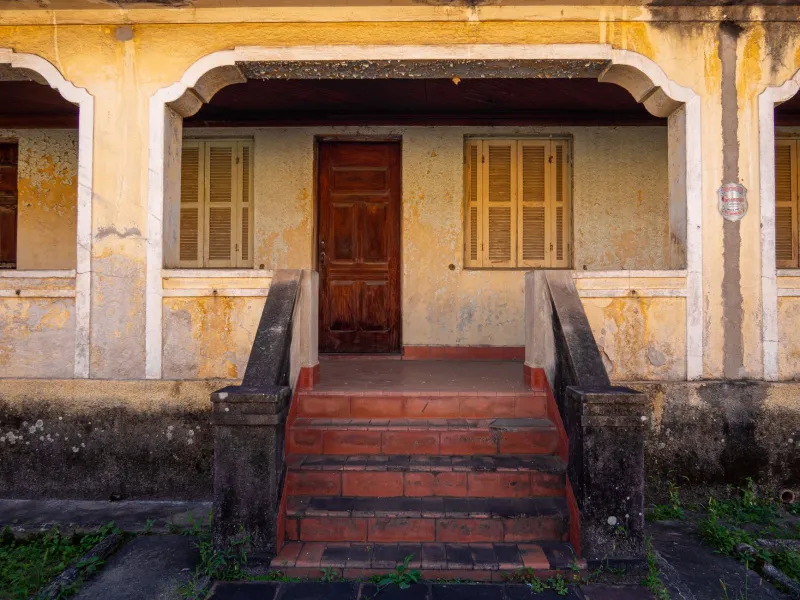
Silay City earned the nickname "Paris of Negros" during the late nineteenth and early twentieth centuries, when sugar wealth transformed it into an island of refined living. The hacendero families — planters and merchants whose fortunes rose with the global sugar trade — commissioned grand residences that fused Filipino, Spanish colonial, and American-era design. Stone ground floors, hardwood upper stories, capiz shell windows, ventilated taka ceilings: these houses were engineered for the tropics and furnished with the confidence of families who shipped their harvest to the world.
What makes Silay unusual is survival. Where many Philippine heritage districts were lost to war, fire, or redevelopment, Silay's core survived, and a significant number of the homes have been restored — some as museums, some as living family residences, and a few as restaurants and cafés.
The Houses Worth Your Time
Start with Balay Negrense, the 1898 home of sugar planter Victor Gaston, now a museum furnished in period style. Its wide verandas and sea-green timberwork make it the definitive introduction to the era. A short walk away, Hofileña Ancestral House offers something rarer: a lived-in home housing an eclectic private collection, from art to a printing press, guided by docents who treat the place as family history rather than exhibit. The Jalandoni house, and the row of preserved facades along the city's older streets, round out a walkable heritage core.
A Practical Half-Day Itinerary
You do not need an overnight stay to do this properly. Here is a workable plan for travelers with four to six hours:
- Hour one: Take a taxi or prearranged van from BCD to Silay proper (roughly 15 minutes). Begin at Balay Negrense while your energy is highest.
- Hour two: Walk the surrounding heritage streets. Photography is welcome from the sidewalk, and several homes bear historical markers worth pausing over.
- Hour three: Lunch at a local restaurant serving Negrense classics — inihaw, kansi, and the region's famous dessert, napoleones. El Ideal, a bakery operating since the sugar boom, is a fitting stop.
- Hour four: Visit the Hofileña house or browse Silay's small shops for handmade crafts, then return to the airport with time to spare.
Confirm your departure requirements and allow buffer time for check-in as you would anywhere; the short distance means Silay is among the lowest-risk side trips an airport can offer.
An Argument, Not Just a Suggestion
For expats settled in the region, Silay deserves better than a single visit. Its restaurants, weekend markets, and slow architectural charm make it a natural Sunday destination — close enough to Bacolod for convenience, distinct enough to feel like an escape.
For travelers, the argument is simpler. You can spend a layover in a terminal chair, or you can spend it walking through the drawing rooms of a vanished sugar aristocracy, fifteen minutes from where your plane parked. The best museum at Bacolod-Silay Airport is not in the airport at all. It is the city next door, and it has been waiting the whole time.